Salesforce Safety Cloud: What It Was & How It Worked
⏱ 2 min read
Salesforce Safety Cloud
A look at Salesforce Safety Cloud, the platform announced to help organizations manage testing, health verification, workplace entry, and event safety protocols.
Introduction to Salesforce Safety Cloud
Salesforce, the global leader in Customer Relationship Management, announced a new service called Safety Cloud to help people get together safely.
Safety Cloud built on Salesforce’s event and workplace experience capabilities, as well as health and safety advancements announced at the time. The platform was designed to help businesses and communities manage testing, health, and entry protocols for safer in-person experiences at corporate workplaces and events.
“Testing is the path forward and Safety Cloud enables the organization of all types to take the complexity out of events, and bring people together again with confidence.”
Bret Taylor, Co-CEO, Salesforce
Historical context:
This article discusses Salesforce Safety Cloud as it was announced and described in 2021–2022. The information below reflects that historical product context and should not be interpreted as a description of Salesforce’s current product portfolio.
This article discusses Salesforce Safety Cloud as it was announced and described in 2021–2022. The information below reflects that historical product context and should not be interpreted as a description of Salesforce’s current product portfolio.
What Was Salesforce Safety Cloud?
Safety Cloud was designed to help organizations bring employees and customers together more safely by managing and verifying health-related information and access protocols.
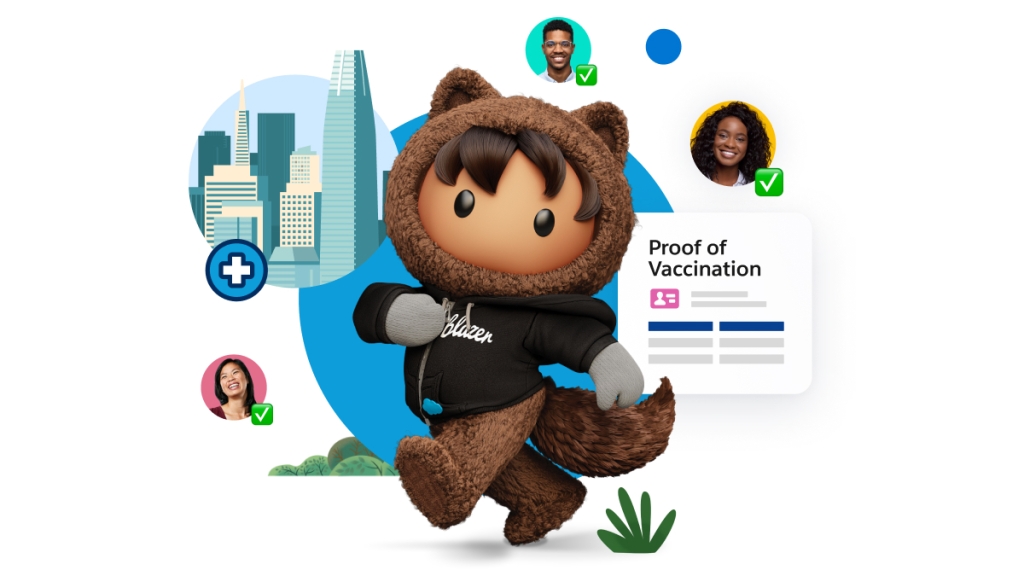
The Safety Cloud platform was intended to help organizations manage information such as COVID-19 test results and vaccination records, while also supporting health and security protocols.
The platform also supported entry protocols for buildings and events through secure, multifactor credentials that could combine identity and relevant health-status information.
Salesforce Safety Cloud in Action
According to the original announcement, Salesforce used Safety Cloud capabilities as it reopened offices and hosted large-scale events during the pandemic.
84
Salesforce offices reopened globally
4,500+
Attendees across the referenced events
2
Large-scale events referenced in the announcement
The original material referenced Salesforce offices globally and two large-scale events, Dreamforce San Francisco and New York City in 2021.

How Salesforce Safety Cloud Helped Customers
The platform was designed around three key areas: health-status reporting, flexible safety protocols, and controlled workplace or event entry.
01
Streamline COVID-19 Testing and Health Status Reporting
Safety Cloud was designed to help organizations track important health-status information and improve visibility into the availability of essential workers through test results that could be automatically fed into the platform.
02
Create Flexible and Scalable Safety Protocols
Organizations could build flexible protocols for bringing people together at events as health and safety requirements changed. The referenced use cases included testing requirements, vaccination status, identity verification, and registration.
03
Automate Workplace and Event Entry
Safety Cloud was designed to combine identification and health-status information into a secure, multifactor pass that could be used for validated access to workplaces and events.
Salesforce CRM and Connected Business Processes
Safety Cloud was part of Salesforce’s broader approach to connecting business experiences and data through its platform. Organizations looking at Salesforce for broader Salesforce consulting, customization, and workflow automation can work with an implementation partner to align Salesforce with their operational requirements.
Also Checkout – Salesforce Consumer Goods Cloud: Benefits, Features & Retail Execution
Key Takeaways From Salesforce Safety Cloud
Health Verification
The platform was designed to organize testing and health-status information.
Flexible Protocols
Organizations could configure protocols around changing event and workplace requirements.
Secure Access
Identity and health information could be incorporated into validated entry credentials.
Connected Experience
The initiative reflected Salesforce’s broader focus on connected workplace and event experiences.
Looking for Salesforce Consulting or Implementation Support?
Talk to Kizzy Consulting about Salesforce consulting, development, integration, and business process automation.
Frequently Asked Questions About Salesforce Safety Cloud
What was Salesforce Safety Cloud?
Salesforce Safety Cloud was a service announced during the COVID-19 pandemic to help organizations manage testing, health-status information, safety protocols, and workplace or event entry.
What did Salesforce Safety Cloud do?
The platform was designed to help organizations organize health information, configure safety protocols, and support secure access to workplaces and events.
How did Salesforce Safety Cloud manage health status?
The original Safety Cloud concept included managing information such as COVID-19 test results and vaccination records and using that information within organizational health and entry protocols.
How did Safety Cloud support workplace entry?
The platform was designed to combine identification and relevant health-status information into secure multifactor credentials for validated access.
Was Salesforce Safety Cloud created for COVID-19 safety?
Yes. The service was announced during the COVID-19 pandemic and its original use cases focused heavily on testing, vaccination status, health protocols, and safer in-person events and workplaces.
What Salesforce solutions can businesses explore today?
Businesses can explore Salesforce’s broader CRM, data, automation, integration, and industry solutions based on their current requirements. A Salesforce consulting partner can help assess processes and determine an appropriate implementation approach.
Kizzy Consulting: Salesforce Consulting & Implementation
Kizzy Consulting is a Salesforce Ridge Consulting Partner in the USA and has successfully implemented 100+ Salesforce projects for 100+ clients across sectors including Financial Services, Insurance, Retail, Sales, Manufacturing, Real Estate, Logistics, and Healthcare in countries including the US, Europe, and Australia.
To discuss your Salesforce requirements, email [email protected] or contact Kizzy Consulting.