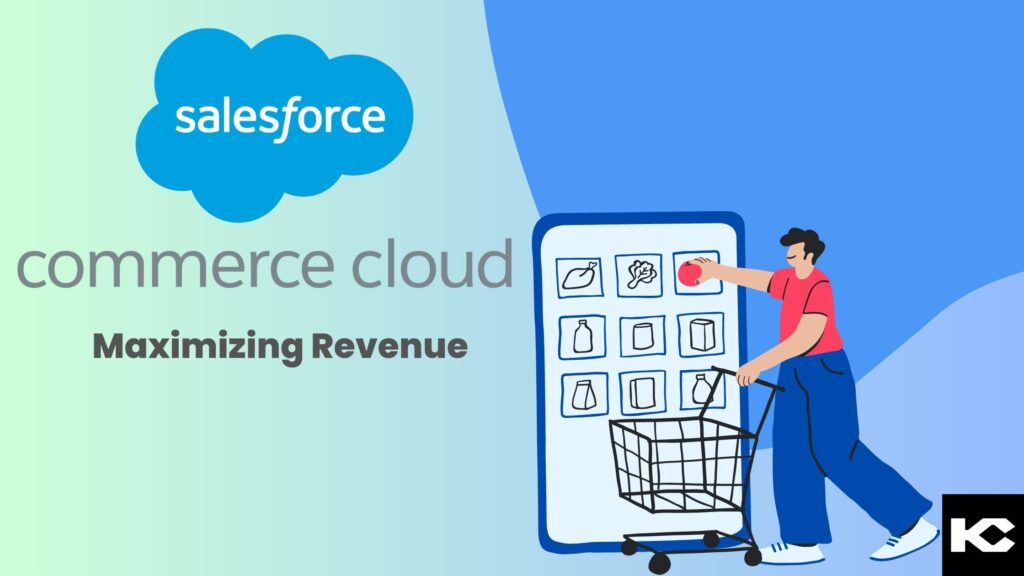
Salesforce Commerce Cloud: Maximizing Revenue in 2026
⏱ 4 min read
Salesforce Commerce Cloud is a cloud-based e-commerce platform designed to help businesses create connected, personalized, and scalable digital shopping experiences. With capabilities for commerce management, personalization, analytics, integrations, mobile commerce, and global expansion, Salesforce Commerce Cloud can help businesses streamline online operations while improving customer engagement and revenue opportunities.
Contents
hide
What Is Salesforce Commerce Cloud?
Salesforce Commerce Cloud is a digital commerce platform that enables businesses to build and manage online shopping experiences across channels. It helps connect commerce operations with customer data, marketing, sales, and service processes, allowing businesses to deliver more relevant customer experiences and support scalable e-commerce growth.
In the ever-evolving world of e-commerce, staying ahead of the competition and delivering exceptional customer experiences is critical. With the advent of Salesforce Commerce Cloud, businesses have a powerful platform to transform their online presence and create more connected digital commerce experiences.
From seamless integration with existing systems to personalized shopping experiences, Salesforce Commerce Cloud provides a comprehensive set of capabilities designed to support customer engagement, operational efficiency, and revenue growth. By leveraging analytics and customer insights, businesses can better understand buying behavior, optimize marketing strategies, and improve conversion opportunities.
This guide explores the benefits of Salesforce Commerce Cloud, its key features, revenue optimization capabilities, and practical considerations for implementing Salesforce Commerce Cloud for an e-commerce business.
Looking for Salesforce B2B Commerce Cloud?
Explore our detailed guide to learn how Salesforce B2B Commerce Cloud can support scalable B2B digital commerce, customer experiences, order management, personalization, and business growth.
Planning a Salesforce Commerce Cloud Implementation?
A well-planned Salesforce implementation can connect commerce, customer data, sales, service, and marketing processes into a more unified digital experience.
Benefits of Salesforce Commerce Cloud for E-commerce Businesses
The e-commerce industry is highly competitive, with businesses continually competing for customer attention and loyalty. A robust and flexible platform like Salesforce Commerce Cloud can help businesses build connected digital commerce operations and create more relevant customer experiences.
Seamless E-commerce Integration
One of the key benefits of Salesforce Commerce Cloud is its ability to connect with existing business systems. Businesses can integrate commerce operations with inventory management, customer relationship management, and other critical systems to support smoother digital commerce workflows. This can reduce manual data entry, minimize errors, and improve operational efficiency.
Personalized E-commerce Customer Experiences
Salesforce Commerce Cloud enables businesses to create more personalized shopping experiences using customer information and behavioral insights. This can include relevant product recommendations, tailored marketing messages, and customized promotions. Personalized experiences can help increase customer engagement and create more relevant purchasing journeys.
Scalable Salesforce Commerce Cloud Platform
Salesforce Commerce Cloud provides businesses with a scalable platform that can support different stages of e-commerce growth. Whether a business manages a smaller product catalog or a larger inventory, a cloud-based commerce platform can provide the flexibility required to expand digital operations and reach new customers.
Businesses can also use customization capabilities to adapt their commerce experience to specific business requirements, customer segments, and operational processes.
Key Salesforce Commerce Cloud Features and Functions
Salesforce Commerce Cloud provides a range of capabilities designed to help businesses create convenient, responsive, and data-driven online shopping experiences.
Mobile-Optimized E-commerce Experiences
With mobile devices playing an increasingly important role in online shopping, businesses need commerce experiences that work effectively across different screen sizes. Salesforce Commerce Cloud supports responsive digital commerce experiences, helping customers browse and shop across devices.
E-commerce Merchandising and Product Management
Commerce Cloud provides merchandising capabilities that help businesses manage product catalogs, product information, promotions, and discounts. Efficient product management helps businesses maintain accurate information and respond more quickly to customer and market requirements.
Salesforce Commerce Cloud Analytics and Reporting
Analytics and reporting capabilities provide businesses with visibility into e-commerce performance, customer behavior, sales activity, and conversion-related metrics. These insights can help teams identify trends, evaluate performance, and make more informed commerce and marketing decisions.
How Salesforce Commerce Cloud Maximizes E-commerce Revenue
In a highly competitive e-commerce environment, maximizing revenue requires more than simply attracting website traffic. Businesses need to understand customer behavior, personalize experiences, optimize marketing activities, and continuously improve the purchasing journey.
Marketing Automation for E-commerce Growth
Salesforce Commerce Cloud can support marketing automation strategies, including personalized email campaigns, targeted promotions, and relevant customer communications. Delivering timely and relevant messages can help businesses improve engagement and create additional opportunities for conversion and repeat purchases.
Personalization to Increase E-commerce Conversion
Personalization can influence purchasing decisions by presenting customers with products, promotions, and content that are more relevant to their interests. Commerce Cloud can help businesses create targeted experiences based on available customer and behavioral data.
Data-Driven E-commerce Revenue Optimization
Analytics can help businesses identify high-performing products, customer trends, and opportunities for optimization. For example, if a particular product category performs strongly, businesses can use performance insights to inform merchandising and marketing strategies.
Salesforce Integration for a Connected Customer Journey
Integration with other Salesforce products, including Sales Cloud and Service Cloud, can help businesses connect commerce activities with sales and customer service processes. A more connected customer journey can provide teams with better context and support a consistent experience across touchpoints.
Related Salesforce CRM Capabilities
Businesses looking to connect commerce with broader CRM processes can also explore
Salesforce CRM for Real Estate Industry
to understand how Salesforce can support customer and operational processes in industry-specific environments.
How to Implement Salesforce Commerce Cloud for Your E-commerce Business
Implementing Salesforce Commerce Cloud can be a transformative step for an e-commerce business. A structured implementation strategy can help organizations align the platform with their business objectives, customer journey, existing systems, and long-term growth plans.
1. Set Clear Salesforce Commerce Cloud Goals
Before starting implementation, clearly define what the business wants to achieve. Objectives may include increasing sales, improving customer satisfaction, enhancing personalization, or streamlining e-commerce operations.
2. Plan Salesforce Commerce Cloud Integrations
Identify the systems, data sources, and business processes that need to connect with Commerce Cloud. Planning integrations early can help create a more seamless customer and operational experience.
3. Invest in Salesforce Commerce Cloud Training
Commerce Cloud includes a broad range of capabilities. Training and education can help teams understand the platform and use its features effectively across commerce, merchandising, analytics, and customer experience processes.
4. Work With Salesforce Commerce Cloud Experts
Professional Salesforce consulting and implementation expertise can help businesses plan their architecture, integrations, customization, data strategy, and deployment approach.
5. Continuously Optimize Your E-commerce Experience
Commerce optimization should continue after implementation. Businesses can analyze performance data, review customer behavior, test improvements, and refine their commerce strategies over time.
For broader implementation guidance, explore
Salesforce Implementation Services
to understand how a structured Salesforce implementation can support business transformation.
Salesforce Commerce Cloud for Personalization and Customer Experience
Personalization has become an important part of modern e-commerce. Customers increasingly expect digital experiences that are relevant to their interests, purchasing behavior, and needs.
Salesforce Commerce Cloud can support personalized commerce experiences through customer data, product recommendations, promotions, and targeted content. Businesses can use these capabilities to create more relevant interactions throughout the shopping journey.
Why Personalization Matters in E-commerce
- Creates more relevant product discovery experiences
- Supports targeted promotions and marketing messages
- Helps businesses understand customer preferences
- Can support stronger customer engagement
- Provides opportunities to improve conversion and repeat purchases
Salesforce Commerce Cloud Analytics and Data-Driven E-commerce
Data plays an important role in understanding e-commerce performance. Commerce Cloud analytics and reporting capabilities can help businesses evaluate sales performance, customer behavior, conversion activity, and other commerce metrics.
By analyzing these insights, businesses can identify trends and make more informed decisions around merchandising, marketing, product strategy, and customer engagement.
Turning E-commerce Data Into Business Insights
The value of analytics comes from using insights to guide action. Businesses can review which products perform well, understand customer purchasing patterns, identify areas where customers may drop out of the buying journey, and use these insights to continuously improve their digital commerce strategy.
Why Salesforce Commerce Cloud Matters for E-commerce Growth
Salesforce Commerce Cloud brings together commerce capabilities, customer experiences, analytics, personalization, and integrations in a cloud-based environment. For businesses looking to modernize their e-commerce operations, this connected approach can help create a stronger foundation for digital growth.
The platform can support businesses as they expand their product catalogs, customer base, digital channels, and operational requirements. Combined with a thoughtful implementation strategy, Salesforce Commerce Cloud can become an important part of a broader digital commerce transformation.
For businesses operating in the real estate sector, understanding broader Salesforce capabilities can also be valuable. Explore
Salesforce for Real Estate
for an industry-specific perspective.
Frequently Asked Questions About Salesforce Commerce Cloud
1. What is Salesforce Commerce Cloud?
Salesforce Commerce Cloud is a cloud-based digital commerce platform that helps businesses build, manage, and optimize online shopping experiences across digital channels while connecting commerce with customer, sales, service, and marketing processes.
2. What are the benefits of Salesforce Commerce Cloud?
Key benefits include scalable e-commerce infrastructure, personalized customer experiences, commerce integrations, merchandising capabilities, analytics, mobile-friendly experiences, and support for broader digital commerce operations.
3. How does Salesforce Commerce Cloud improve e-commerce customer experience?
Salesforce Commerce Cloud can help businesses create personalized and responsive shopping experiences using customer insights, product recommendations, targeted content, promotions, and connected commerce processes.
4. How does Salesforce Commerce Cloud help increase e-commerce revenue?
Commerce Cloud can support revenue growth through personalization, marketing automation, analytics, targeted promotions, product recommendations, and integration with other Salesforce capabilities that help create connected customer journeys.
5. Can Salesforce Commerce Cloud integrate with Sales Cloud and Service Cloud?
Yes. Salesforce Commerce Cloud can work as part of a broader Salesforce ecosystem, allowing businesses to connect commerce processes with sales and service workflows and create a more unified view of customer interactions.
6. Is Salesforce Commerce Cloud suitable for growing e-commerce businesses?
Salesforce Commerce Cloud is designed to support businesses with different levels of digital commerce requirements. Its cloud-based architecture and commerce capabilities can support organizations as their digital operations and customer base grow.
7. What are the key Salesforce Commerce Cloud features?
Important capabilities include digital storefront management, merchandising, product catalog management, personalization, analytics, promotions, mobile commerce experiences, integrations, and tools for managing digital commerce operations.
8. How does Salesforce Commerce Cloud support e-commerce personalization?
Commerce Cloud can use available customer and behavioral data to help businesses deliver more relevant product recommendations, content, promotions, and shopping experiences based on customer needs and interactions.
9. What should businesses consider before Salesforce Commerce Cloud implementation?
Businesses should define their objectives, evaluate existing systems, plan integrations, understand data requirements, identify customization needs, prepare their teams, and establish a strategy for continuous optimization after implementation.
10. Why work with a Salesforce Commerce Cloud consulting partner?
A Salesforce consulting partner can help businesses plan implementation, integrations, customization, data architecture, and deployment while aligning Commerce Cloud with broader business and customer experience objectives.
Build a Scalable Salesforce Commerce Experience
Kizzy Consulting is a Salesforce Consulting Partner with experience implementing Salesforce solutions for businesses across Financial Services, Insurance, Retail, Sales, Manufacturing, Real Estate, Logistics, and Healthcare in the US, Europe, and Australia.
Whether you are planning a Salesforce Commerce Cloud implementation, improving an existing commerce platform, or connecting commerce with your wider Salesforce ecosystem, our team can help you plan the right approach.
Email: [email protected]
Ready to Transform Your E-commerce Experience?
Talk to Kizzy Consulting about Salesforce Commerce Cloud, Salesforce implementation, integrations, and digital commerce transformation.