Salesforce for Logistics Industry [2026]
⏱ 2 min read
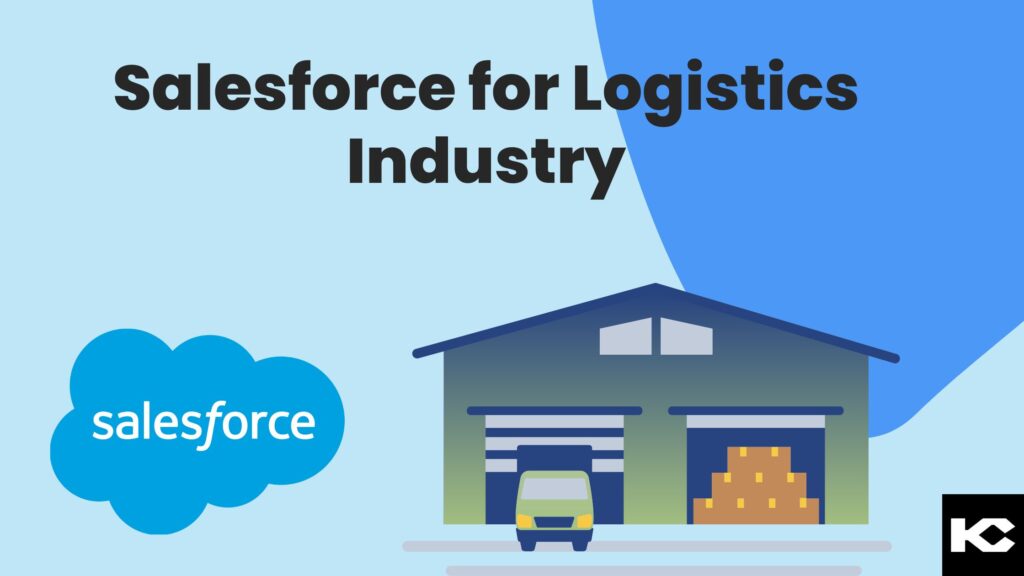
Salesforce for Logistics and Inventory Management has grown well beyond simple stock-keeping. Today’s logistics operations run on unique product IDs, integrated inventory visibility, and real-time data shared across dispatchers, field agents, and warehouse teams. Here’s how Salesforce’s CRM, Field Service, and automation tools are reshaping inventory management and day-to-day operations across the logistics industry.
What is Salesforce inventory management for logistics?
Salesforce inventory management for logistics uses Salesforce CRM and Field Service Lightning to track inventory levels, manage stock and rentals, and give dispatchers, field agents, and other stakeholders a single, integrated view of every unit in the supply chain.
As inventory volumes grow, so does the complexity of tracking each unit through the supply chain – from warehouse to dispatch to delivery. Salesforce gives logistics companies the tools and automation needed to manage that complexity, connecting CRM, order management, route planning, and real-time tracking in one platform.
Want the bigger picture on how Salesforce fits the freight and logistics industry as a whole?
12 Salesforce Features Transforming the Logistics Sector
Salesforce offers a wide range of tools and features that logistics companies can put to work immediately. Here’s how each one applies to the logistics sector:
1. Salesforce CRM for Logistics Customer Relationship Management
Salesforce’s core CRM platform helps logistics companies manage customer interactions, track sales leads, and improve customer satisfaction – critical for managing relationships with clients, suppliers, and partners.
2. Order Management
Salesforce streamlines and automates the order management process, from order creation and tracking to fulfillment and delivery, improving order accuracy and reducing errors.
3. Salesforce Inventory Management
Logistics companies use Salesforce to track inventory levels, manage stock, and optimize warehouse operations – leading to better inventory control, reduced carrying costs, and improved supply chain efficiency.
4. Supplier and Vendor Management
Salesforce manages relationships with suppliers and vendors, tracks procurement processes, and ensures timely stock replenishment for better collaboration and more efficient sourcing.
5. Rental Management
Salesforce helps manage available and rented units all in one place, with deals tracked by ownership, rental status, or seller status – adding a rental management pillar to logistics operations.
6. Salesforce Route Planning and Optimization
Salesforce Field Service Lightning integrates with mapping and route optimization tools to help logistics companies plan efficient delivery routes, reducing fuel costs and shortening delivery times.
7. Service and Maintenance Management
For companies handling equipment maintenance or repair within logistics, Salesforce schedules maintenance tasks, tracks service requests, and manages field service technicians.
8. Real-Time Shipment Tracking and Visibility
Salesforce integrates with IoT devices and sensors to provide real-time tracking of shipments and assets, letting logistics companies monitor cargo conditions, location, and estimated arrival times.
9. Logistics Analytics and Reporting
Salesforce’s reporting and analytics capabilities surface insights into order trends, delivery performance, and inventory turnover, supporting data-driven decisions and process optimization.
10. Mobile Applications for Field Logistics Teams
Salesforce mobile apps like Field Service Lightning let delivery drivers and maintenance technicians access and update information on the go, improving communication across the logistics network.
11. Customization and Integration with TMS and WMS
Salesforce’s flexibility lets logistics companies customize the platform and integrate it with ERP systems, transportation management systems (TMS), and warehouse management systems (WMS).
12. Logistics Document Management
Salesforce helps manage documents related to shipments, orders, and contracts, keeping important information organized and easily accessible.
Ready to Put Salesforce to Work in Your Logistics Operation?
Explore our Salesforce Quickstart Packages to get inventory management, route optimization, and real-time tracking live faster.
Why Salesforce Inventory Management Matters for Logistics
Salesforce’s comprehensive suite of tools empowers the logistics industry with enhanced customer engagement, streamlined operations, optimized route planning, real-time tracking, data-driven insights, efficient supplier collaboration, mobile field services, customization, and organized document management. By leveraging these capabilities, logistics companies can achieve higher operational efficiency, cost savings, improved customer satisfaction, and a competitive edge in a fast-moving logistics landscape.
Frequently Asked Questions About Salesforce for Logistics and Inventory Management
How does Salesforce help with inventory management in logistics?
Salesforce tracks inventory levels, manages stock, and optimizes warehouse operations, giving dispatchers and field agents an integrated view of every unit through unique product IDs.
Can Salesforce handle route planning and optimization for delivery fleets?
Yes. Salesforce Field Service Lightning integrates with mapping and route optimization tools to plan efficient delivery routes, reducing fuel costs and improving delivery times.
Does Salesforce support real-time shipment tracking?
Salesforce can integrate with IoT devices and sensors for real-time tracking and visibility of shipments and assets, including cargo conditions, location, and estimated arrival times.
Can Salesforce integrate with existing TMS and WMS systems?
Yes. Salesforce is highly customizable and can integrate with ERP systems, transportation management systems (TMS), and warehouse management systems (WMS) already in use.
What mobile capabilities does Salesforce offer field logistics teams?
Salesforce mobile apps like Field Service Lightning let delivery drivers and maintenance technicians access and update information on the go, improving coordination across the network.
Looking to Implement Salesforce Inventory Management for Your Logistics Business?
Kizzy Consulting is a Salesforce Consulting Partner in the USA and has successfully implemented 100+ Salesforce projects across Financial Services, Insurance, Retail, Manufacturing, Real Estate, Logistics, and Healthcare in the US, Europe, and Australia.
Get a free consultation – email [email protected] or contact us.