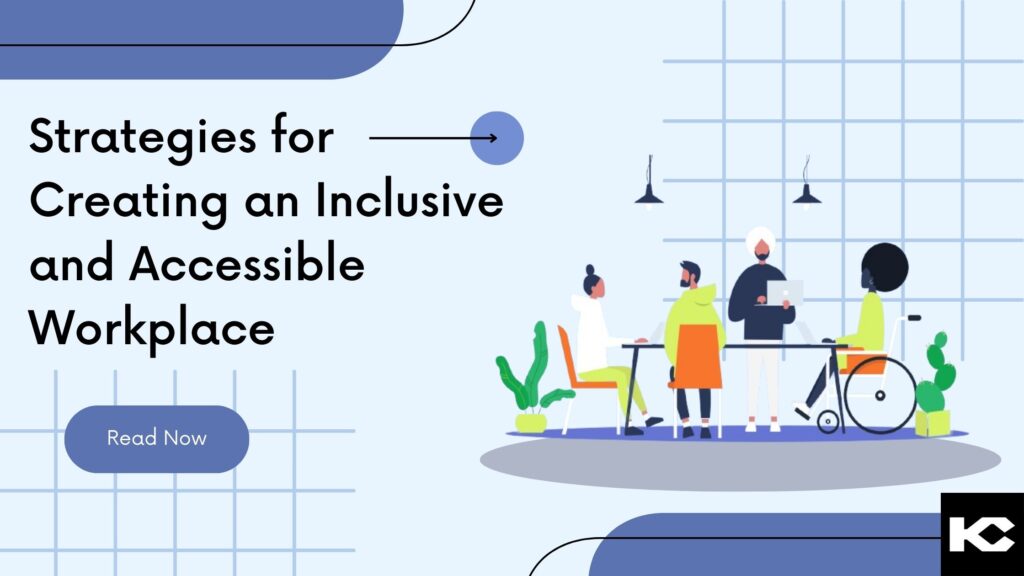
Strategies for Creating an Inclusive and Accessible Workplace
⏱ 3 min read
Creating an inclusive and accessible workplace goes beyond compliance. It means designing physical spaces, technology, policies, and workplace culture so employees with different needs can participate, contribute, and succeed.
A workplace that is welcoming and accessible to everyone can support a more inclusive employee experience, encourage collaboration, and help organizations make better use of a diverse talent pool. Accessibility should not be treated as a one-time project. It is an ongoing process that involves infrastructure, technology, workplace policies, communication, emergency planning, and leadership accountability.
For organizations modernizing their technology environment, accessibility should also be considered when designing digital workflows and employee-facing systems. A well-designed workplace should make it easier for people with different physical, sensory, and cognitive needs to perform their work effectively.
Inclusive and Accessible Workplace: Quick Answer
An inclusive and accessible workplace combines accessible infrastructure, assistive technology, flexible work policies, inclusive culture, regular accessibility reviews, emergency procedures, and accountable leadership. The goal is to remove unnecessary barriers so employees with disabilities can participate fully and work effectively.
1. Start With Accessible Workplace Infrastructure
Accessibility begins with the physical environment. Office spaces should be designed so employees with different mobility, visual, hearing, or sensory needs can navigate the workplace safely and comfortably.
Consider accessible ramps, doorways, elevators, restrooms, pathways, and workspace layouts. Clear signage and appropriate lighting can improve navigation, while quiet or low-distraction areas may support employees who benefit from reduced sensory stimulation.
Workplace Accessibility Checklist
- Accessible entrances, ramps, and elevators
- Clear and navigable pathways
- Accessible restrooms and common areas
- Readable signage and appropriate lighting
- Workspace layouts that accommodate mobility aids
- Quiet or low-distraction spaces where appropriate
Design Technology Around Your Users
Accessible workplaces also depend on technology that is easy for employees to navigate and use. Salesforce implementation should account for user workflows, adoption, usability, and the needs of different teams.
2. Embrace Assistive Technologies
Technology can remove many barriers that employees with disabilities may encounter in traditional workplace environments. Organizations should evaluate whether their software, devices, and digital workflows can support different ways of working.
Depending on individual needs, useful technologies may include screen readers, speech-to-text tools, keyboard navigation, magnification software, alternative input devices, and adjustable workstations. Ergonomic seating and variable-height desks can also help accommodate different physical requirements.
Accessibility should also be considered when implementing enterprise platforms. Employees should be able to access the information and workflows they need without unnecessary complexity.
3. Implement Flexible Work Policies
Flexible working arrangements can help employees manage different accessibility requirements while continuing to contribute effectively. Depending on the role and business requirements, organizations may consider flexible working hours, remote or hybrid work, modified break schedules, or other reasonable workplace adjustments.
The important consideration is to create policies that focus on outcomes and enable employees to perform their responsibilities effectively. Managers should also understand how to discuss workplace adjustments respectfully and confidentially.
Make Digital Workflows Easier to Use
Technology should support employees rather than create additional barriers. Regular Salesforce optimization can simplify workflows, improve usability, and support stronger user adoption across teams.
4. Foster an Inclusive Workplace Culture
Physical accessibility is only one part of an inclusive workplace. Employees should also feel respected, valued, and comfortable discussing accessibility requirements without fear of stigma.
Organizations can support this by providing regular diversity, equity, and inclusion training, encouraging open communication, and offering practical disability etiquette guidance. Employees should also know where to find workplace support and how to request reasonable adjustments.
Managers play an important role in creating this environment. They should listen to employee concerns, avoid assumptions about individual needs, and focus on providing practical support.
5. Regularly Review and Adapt Accessibility Practices
Accessibility requirements can change as teams, workplaces, and technologies evolve. A policy that works today may need to be adjusted as the organization grows.
Regularly collect feedback from employees and review workplace practices, digital tools, and physical environments. Pay attention to recurring usability issues and identify opportunities to remove unnecessary barriers.
Technology should also be reviewed periodically. New assistive technologies, software capabilities, and accessibility practices can create opportunities to improve the employee experience.
Build a More Sustainable & Future-Ready IT Environment
Explore practical strategies for sustainable IT and discover how Salesforce innovations can help organizations modernize systems, improve efficiency, and adapt to evolving business needs.
6. Create Comprehensive Emergency Procedures
Emergency plans should account for the different ways employees may need to receive information, move through a building, or access assistance during an emergency.
Organizations should review evacuation routes, emergency communications, assembly points, alarms, and assistance procedures with accessibility in mind. Plans should account for employees with mobility, visual, hearing, or other relevant accessibility requirements.
Regular drills can help identify gaps before an actual emergency occurs. Feedback from employees can then be used to improve procedures and communication.
7. Make Leadership Responsible for Accessibility
Accessibility initiatives are more sustainable when leadership treats them as an ongoing organizational responsibility rather than a one-time compliance exercise.
Leadership commitment should be reflected in company policies, resource allocation, workplace technology decisions, training programs, and employee support processes. Leaders should also create channels through which employees can raise accessibility concerns and provide feedback.
Accountability can be strengthened by assigning clear ownership, reviewing progress regularly, and incorporating accessibility considerations into broader workplace and technology planning.
Benefits of an Inclusive and Accessible Workplace
Broader Talent Access
Accessible workplaces can reduce unnecessary barriers and help organizations reach a broader pool of talent.
Better Employee Experience
Thoughtful workplace design can make everyday tasks easier and create a more supportive environment.
Improved Usability
Accessible digital tools and simpler workflows can benefit employees across the organization.
Stronger Inclusion
Accessibility initiatives can contribute to a workplace culture where employees feel respected and supported.
Build a More Accessible, Connected Workplace
From workplace technology and CRM workflows to automation and digital transformation, Kizzy Consulting helps organizations build scalable Salesforce solutions around real business and user needs.
Frequently Asked Questions About Inclusive and Accessible Workplaces
What is an inclusive and accessible workplace?
An inclusive and accessible workplace is an environment designed to reduce barriers and enable employees with different abilities and needs to participate fully in work, communication, technology, and workplace activities.
How can businesses make their workplaces more accessible?
Businesses can improve accessibility through accessible infrastructure, assistive technologies, flexible work policies, inclusive training, accessible emergency procedures, regular employee feedback, and leadership accountability.
What assistive technologies can improve workplace accessibility?
Examples include screen readers, speech-to-text software, keyboard navigation tools, screen magnification, alternative input devices, adjustable workstations, ergonomic equipment, and other technologies selected according to individual requirements.
Why are flexible work policies important for workplace accessibility?
Flexible hours, remote work, hybrid arrangements, and modified break schedules can help employees manage different accessibility requirements while continuing to meet their role responsibilities.
How can companies create a more inclusive workplace culture?
Companies can build an inclusive culture through employee education, disability etiquette training, open communication, accessible support resources, respectful management practices, and regular opportunities for employees to provide feedback.
How often should workplace accessibility practices be reviewed?
Accessibility should be reviewed regularly rather than treated as a one-time initiative. Organizations can use employee feedback, workplace changes, technology updates, and periodic accessibility assessments to identify areas that need improvement.
Why is leadership important for workplace accessibility?
Leadership establishes priorities, allocates resources, sets policies, and creates accountability. Visible leadership support helps accessibility become part of everyday workplace planning rather than an isolated initiative.
Conclusion
Creating an inclusive and accessible workplace requires more than meeting minimum requirements. It involves designing physical spaces, digital tools, workplace policies, communication practices, and emergency procedures around the diverse needs of employees.
By investing in accessibility, listening to employees, regularly reviewing workplace practices, and holding leadership accountable, organizations can create an environment where more people can participate effectively and contribute their skills.
Kizzy Consulting
Kizzy Consulting is a Salesforce Ridge Partner helping organizations modernize Salesforce, automation, data, and AI capabilities. Our team supports businesses across industries with Salesforce consulting, implementation, integration, AI, and automation services.
For a consultation, email [email protected] or use our consultation form above.